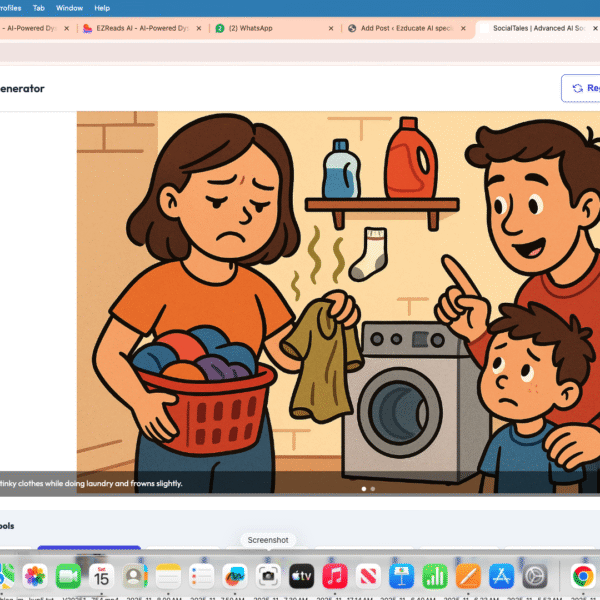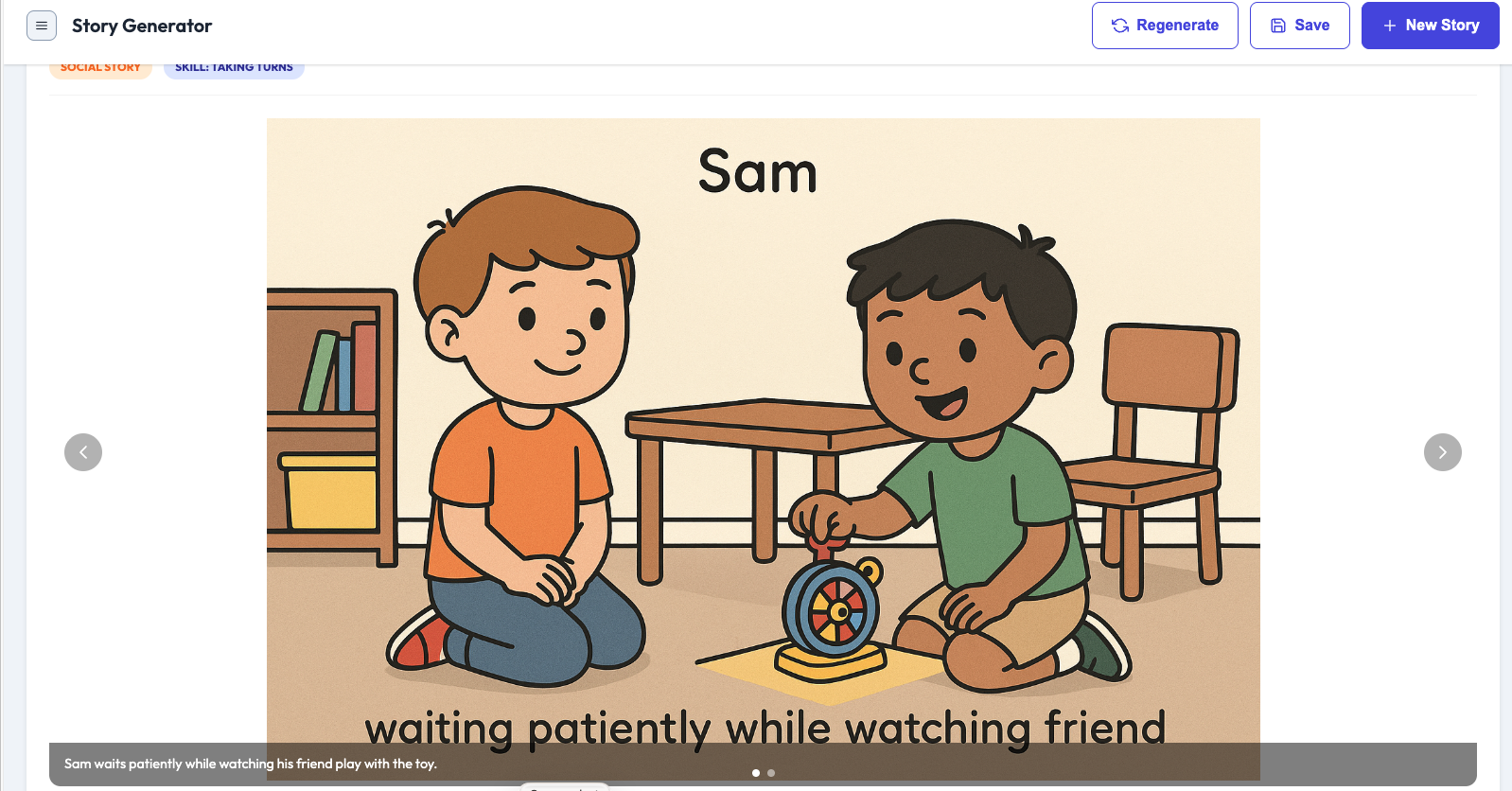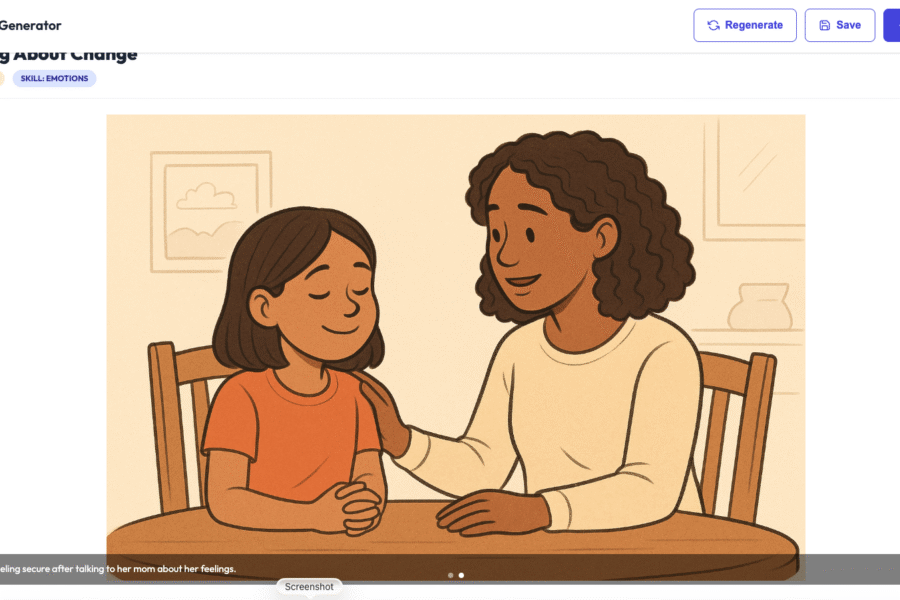
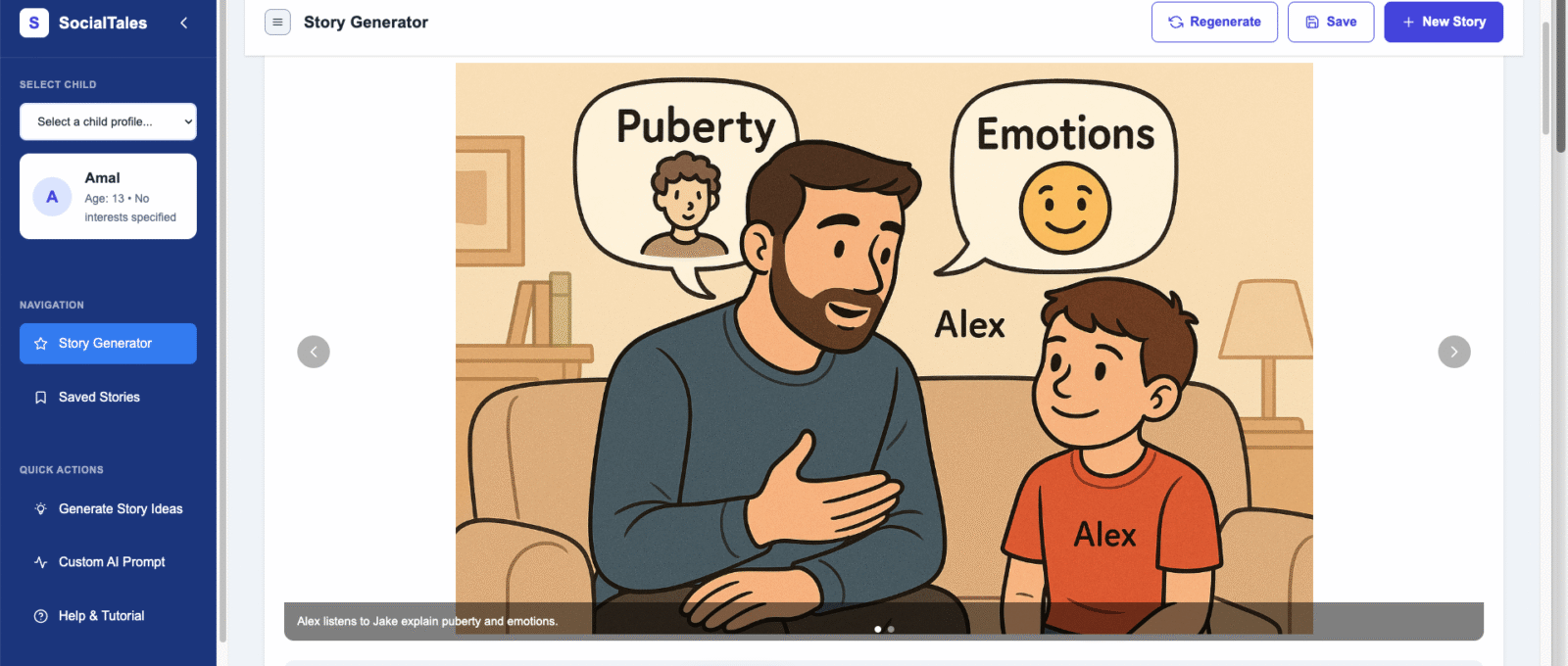
As boys grow, they begin noticing changes not only in their bodies but also in how they feel and react to everyday situations. Some boys may suddenly experience:
Nervousness about schoolwork
Frustration when something feels unfair
Irritation they can’t explain
Excitement that quickly turns into worry
Sadness that surprises them
These emotional shifts are a normal part of growing up. What makes them challenging is that boys may not know how to describe these feelings, or they may worry that talking about emotions makes them look weak. The truth is the opposite: understanding emotions makes boys stronger, more confident, and better prepared for the world around them.
“Understanding My Changing Emotions” helps boys see that emotional changes are not something to hide — they are something to understand. The story shows that every emotion has a purpose, and learning to recognize these feelings is the first step toward managing them.One of the key lessons boys learn through Alex’s story is how to put emotions into words. This is especially important because boys are often taught, directly or indirectly, to “tough it out” instead of expressing themselves.
In the story, Alex experiences everyday situations boys commonly face. Before a math test, he feels nervous. His heart beats faster, his mind races, and he starts doubting himself. His older brother teaches him a simple, practical strategy: take deep breaths. This helps Alex calm his body and focus again.
Later, when a friend takes his turn during a game, Alex feels upset. Instead of yelling or shutting down, he uses an “I” statement:
“I feel upset because it’s my turn.”
This small moment teaches boys a powerful lesson: expressing emotions clearly doesn’t make things worse — it makes communication easier. When boys learn how to speak their feelings instead of reacting to them, they feel more in control and build healthier relationships with friends, classmates, and family members.The story reinforces several skills that become essential as boys move into adolescence:
Emotional Identification
Boys learn to notice and name what they feel — nervous, angry, frustrated, excited, confused, or sad. Recognizing emotions is the foundation of self-awareness.
Self-Regulation
Through examples like breathing exercises or taking short breaks, boys learn how to calm their bodies when feelings get too big. These strategies build long-term emotional resilience.
Communication Skills
Using simple language and clear “I feel…” statements helps boys express what’s happening inside without conflict or shutdowns.
Empathy
The story also encourages boys to notice how others feel and respond with kindness. This is especially important as friendships grow more complex during late childhood and early adolescence.
These skills help boys understand themselves better and interact more positively with the people around them.The story includes built-in reflection questions designed to strengthen comprehension and help boys apply emotional lessons to real life. These questions encourage boys to think about:
Why certain emotions appear
How they handled difficult situations
What strategies helped them calm down
How they can communicate more clearly next time
This practice reinforces both emotional understanding and reading comprehension, making the story an effective tool for both home and classroom use.Many boys struggle with reading facial expressions, body language, and tone — especially as social interactions become more nuanced. The story concludes with real-life scenarios that help boys think through how others may be feeling, such as:
▪ A classmate sitting alone
▪ A teammate feeling frustrated
▪ A child celebrating with excitement
▪ A misunderstanding during play
▪ A teacher giving positive feedback
These moments help boys develop social awareness, which leads to stronger friendships and better communication.Boys thrive when adults create an environment where emotions are acknowledged and talked about openly. Here are simple ways to support them:
Validate Feelings: Let them know it’s normal to feel nervous, upset, or overwhelmed. Boys often need reassurance that emotions don’t make them “less strong.”
Model Calm Responses: Children copy what they see. When adults manage stress calmly, boys learn to do the same.
Encourage Expression: Let boys talk, draw, write, or choose a word or picture to describe their feelings. Any expression is better than silence.
Provide Practical Tools: Deep breathing, taking breaks, moving their bodies, or using positive self-talk helps boys build emotional independence.
Keep Communication Open: Remind boys that they can come to you with any feeling — even the uncomfortable ones.
Emotional awareness is not something boys “grow into” on their own. It’s something they learn through guidance, modeling, and stories that make emotions feel safe and understandable. “Understanding My Changing Emotions” gives boys the language, tools, and confidence they need to manage feelings in a healthy way. When boys understand their emotions early, they build:
▪ Confidence
▪ Self-control
▪ Healthier friendships
▪ Better problem-solving skills
▪ Stronger communication
▪ A deeper sense of self
Boys who feel safe expressing themselves grow into young men who listen, communicate, and navigate challenges with resilience.