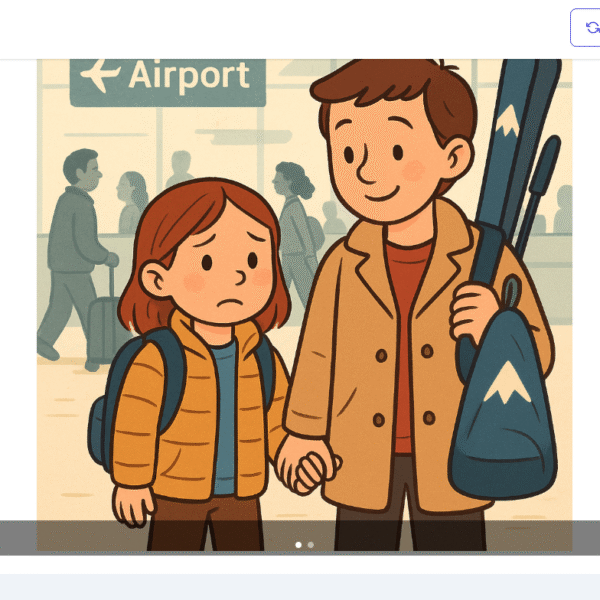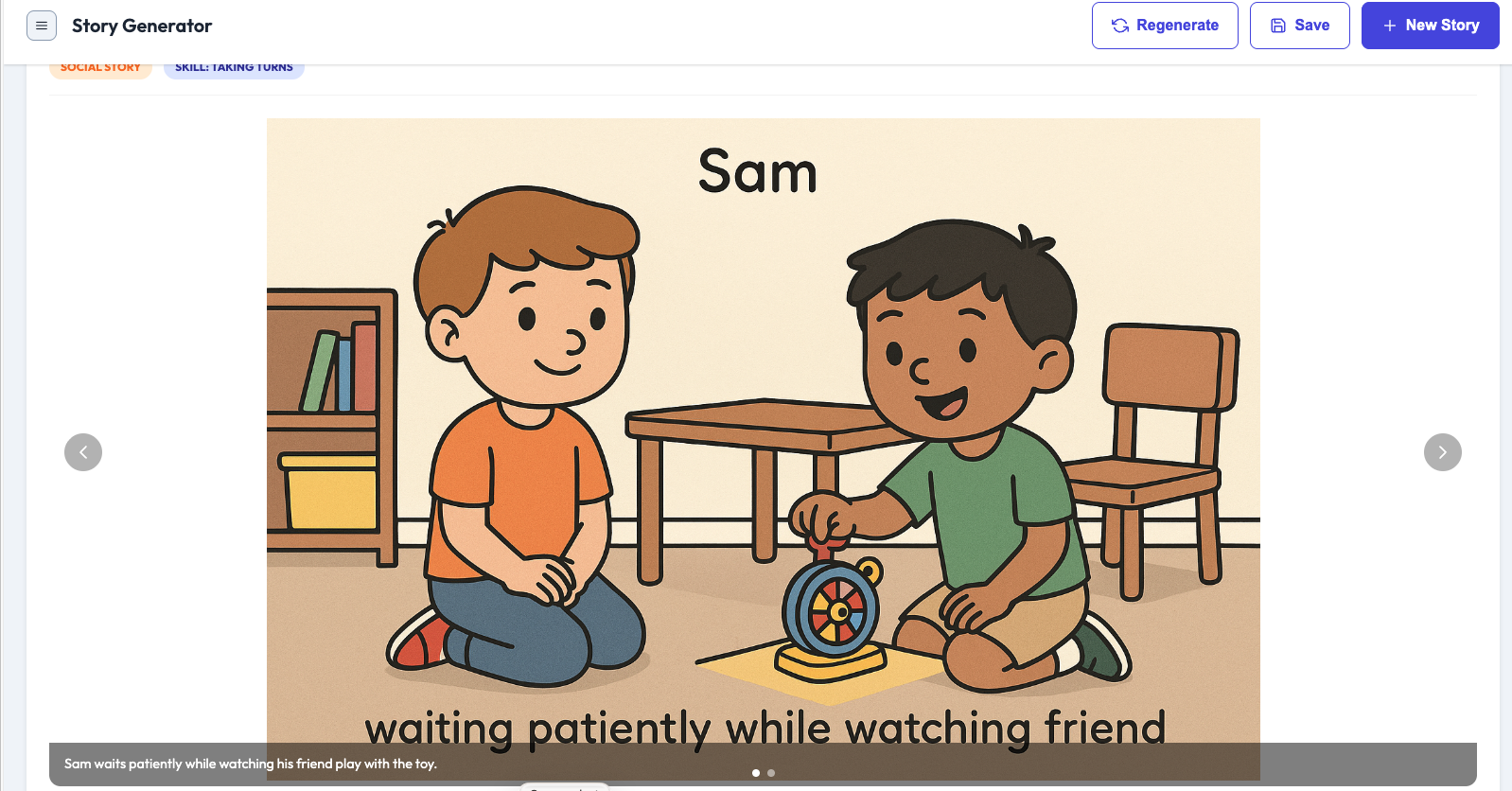
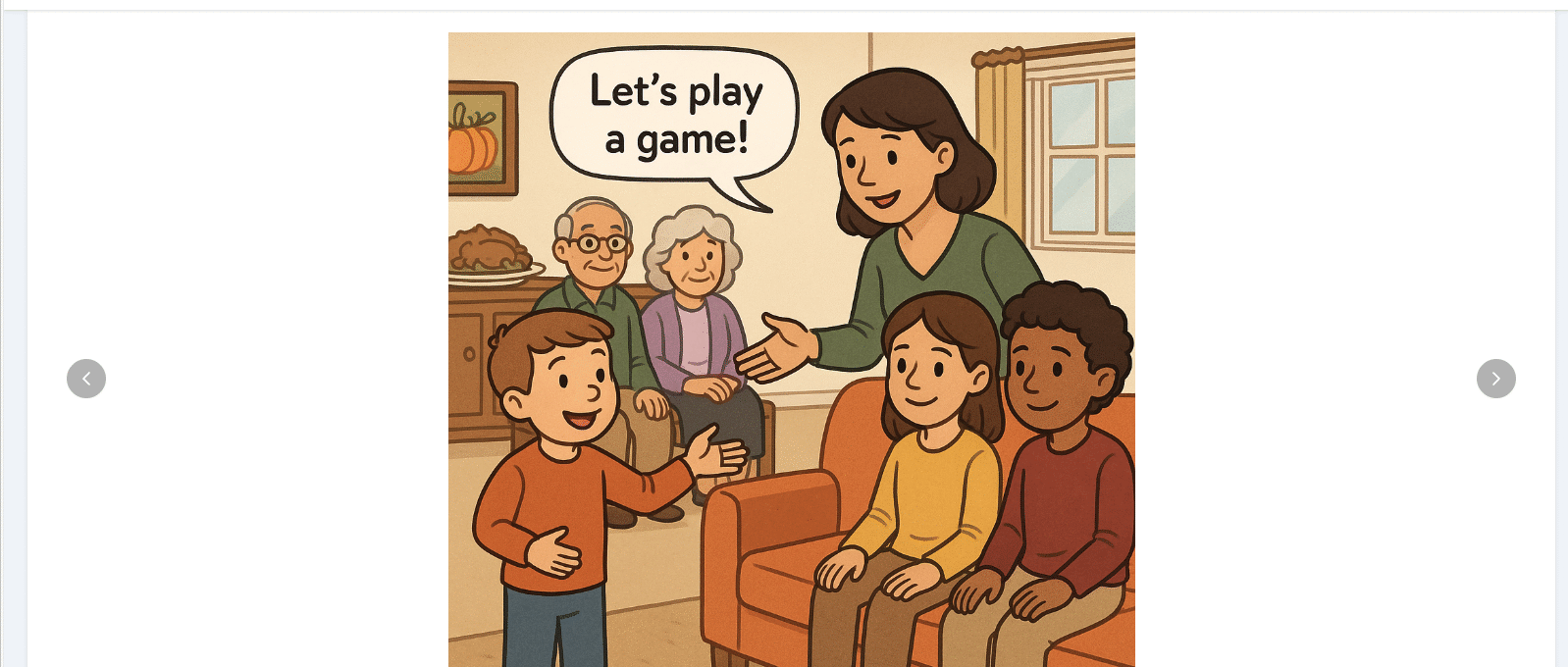
Picture this: It’s Thanksgiving morning, and your child is about to walk into a house full of relatives they haven’t seen in months. The noise, the excitement, the expectations—it’s a lot. While other kids seem to naturally read the room and join in, your child stands at the edge, unsure. They want to connect, but the emotional landscape feels like a foreign language.
If this scene sounds familiar, you’re not alone.
The Hidden Challenge of Holiday Gatherings
We often focus on the sensory overload of holidays—the loud conversations, the different foods, the change in routine. But there’s another layer that many children with autism, ADHD, or special needs struggle with: understanding what everyone is feeling and how to respond.
Think about it. At a typical Thanksgiving gathering, emotions are everywhere:
♦ Cousins are laughing and shouting (happiness and excitement)
♦ Someone loses at a board game (frustration)
♦ It’s time to leave (mixed feelings of sadness and joy)
♦ A family member seems quiet in the corner (maybe they’re overwhelmed, tired, or just thinking)
For neurotypical children, reading these emotional cues happens almost automatically. But for many of our kids? It’s like trying to solve a complex puzzle without all the pieces.
Meet Alex: A Story That Changes Everything
That’s where our newest social story comes in: “Understanding Emotions During Thanksgiving.”
This isn’t just another social skills worksheet. It’s a gentle, guided journey through a real Thanksgiving experience—one that your child can see themselves in.
The story follows a child who feels both excited AND nervous about going to their grandparents’ house. Sound relatable? It gets better. With Mom’s help, our narrator learns to:
♦ Notice when cousins are happy (they’re laughing and talking loudly)
♦ Ask to join in instead of waiting on the sidelines (“Can I play with you?”)
♦ Recognize when someone is upset (Lily’s eyebrows were down, and she wasn’t talking much)
♦ Respond with kindness (“You’re doing a great job, Lily!”)
♦ Understand that feeling two emotions at once—like sadness about leaving AND happiness about the fun they had—is completely normal
Why This Story Works (And Why Your Child Will Actually Want to Read It)
Here’s what makes this different from the typical social skills materials:
It’s not preachy. There’s no “you should do this” lecture. Instead, your child watches another kid figure things out with gentle support from their mom.
It names the invisible. The story explicitly points out facial expressions and body language: “Her eyebrows were down, and she wasn’t talking much.” These are the details our kids often miss but desperately need to notice.
It celebrates small wins. When the narrator successfully joins the game or helps Lily feel better, there’s genuine pride. Your child learns that social success isn’t about being perfect—it’s about trying, noticing, and caring.
It normalizes complex emotions. The story validates that it’s okay to feel nervous, to feel multiple emotions at once, and to need help navigating social situations.
Beyond the Story: Tools for Real Learning
But wait—it gets even better. This isn’t just a story you read once and forget. Included with the story are:
♦ Social Understanding Questions that help your child process what they read and apply it to real life
♦ A Social Cues Guide with specific facial expressions and body language to watch for
♦ Practice Scenarios you can do together at home (before the actual holiday chaos)
♦ Common Misunderstandings explained—like why a quiet person might still be happy
These tools transform a simple story into a comprehensive learning experience that builds real skills.
The Magic Moment Every Parent Dreams Of
Imagine your child at next week’s Thanksgiving dinner, and instead of hovering at the edges, they walk up to their cousins and ask, “Can I play with you?”
Imagine them noticing when someone seems upset and offering a kind word.
Imagine them coming to you at the end of the day and saying, “I’m sad to leave, but I’m also happy I came.”
That’s emotional intelligence. That’s social competence. And that’s exactly what this story teaches.
Your Next Step
The holidays are coming fast. But here’s the good news: you don’t have to wing it this year. You don’t have to hope your child magically “gets it” this time.
You can prepare them. You can give them the language, the strategies, and the confidence they need to not just survive Thanksgiving, but to actually enjoy it.
The “Understanding Emotions During Thanksgiving” social story is ready for you to download, print, and read together. Make it part of your pre-Thanksgiving routine. Read it multiple times. Talk about the questions together. Practice the scenarios in your living room.
Because every child deserves to feel the joy of connection—especially during the holidays. Download the full social story here and give your child the gift of emotional understanding this Thanksgiving:
Understanding Emotions During Thanksgiving: Social Story for Children with Autism & Special Need
Have you used social stories with your child? What’s been your biggest challenge with holiday gatherings? Drop a comment below—I’d love to hear your experience and share more strategies that have worked for our family.
About EZducate: We create adaptive learning tools and social stories specifically designed for children with special needs, autism, and ADHD. Every story is crafted with real families in mind—because we’re parents too, and we know the difference the right tools can make.