
Short, visual social stories reduce anxiety and build understanding — here’s a simple 5-block template that works.
Social Stories That Actually Work: Write Less, Rehearse More
Good social stories are short, clear, and practiced in calm moments. They don’t lecture; they preview.
Here’s how to write ones that help kids feel ready — and how to rehearse without stress.
The 5-Block Template
- Setting: where we are
- People: who’s here
- Sequence: what happens first/next
- Feelings: how it might feel
- Supports: what helps (headphones, break card, helper)
Example: “Fire Drill at School”
Setting: “Sometimes we have fire drills at school.”
People: “Teachers and students walk together.”
Sequence: “When the alarm beeps, we line up and go outside.”
Feelings: “The sound is loud; I might feel nervous.”
Supports: “I can wear headphones and hold my helper’s hand.”
Make It Visual
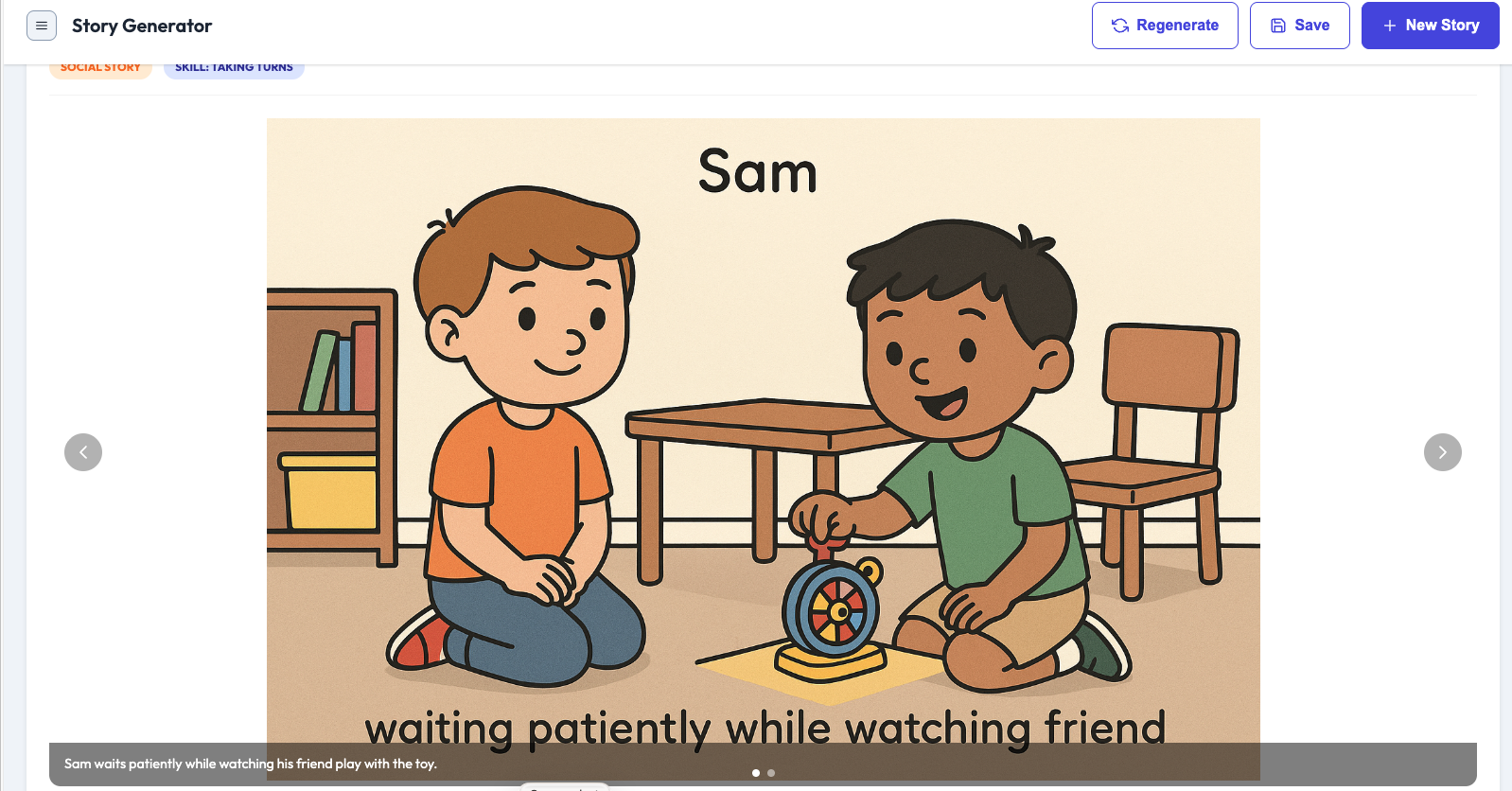
Use photos from the actual place whenever possible. Fewer words, bigger pictures. Add icons for key steps.
Practice in Calm Times
Read 1–2 times the day before and the morning of the event. Role-play with simple props.
FAQ
- How long should a social story be?
- Usually 5–10 short sentences across a few images. Shorter is stronger.
- What if the story doesn’t “work” right away?
- Stories teach expectations; they’re not instant behavior fixes. Keep modeling, rehearsing, and honoring supports.
Leave a Comment