Look, I’ll be honest with you. Getting my kid to brush their teeth used to feel like negotiating a peace treaty. Every. Single. Morning.
“Why do I have to?”
“I already brushed them!” (They didn’t.)
“My mouth doesn’t feel dirty!”
Sound familiar?
Here’s what I learned: our kids aren’t being difficult. They genuinely don’t understand why hygiene matters or what they’re supposed to do. The steps that seem obvious to us? Not so obvious when you’re navigating the world differently.
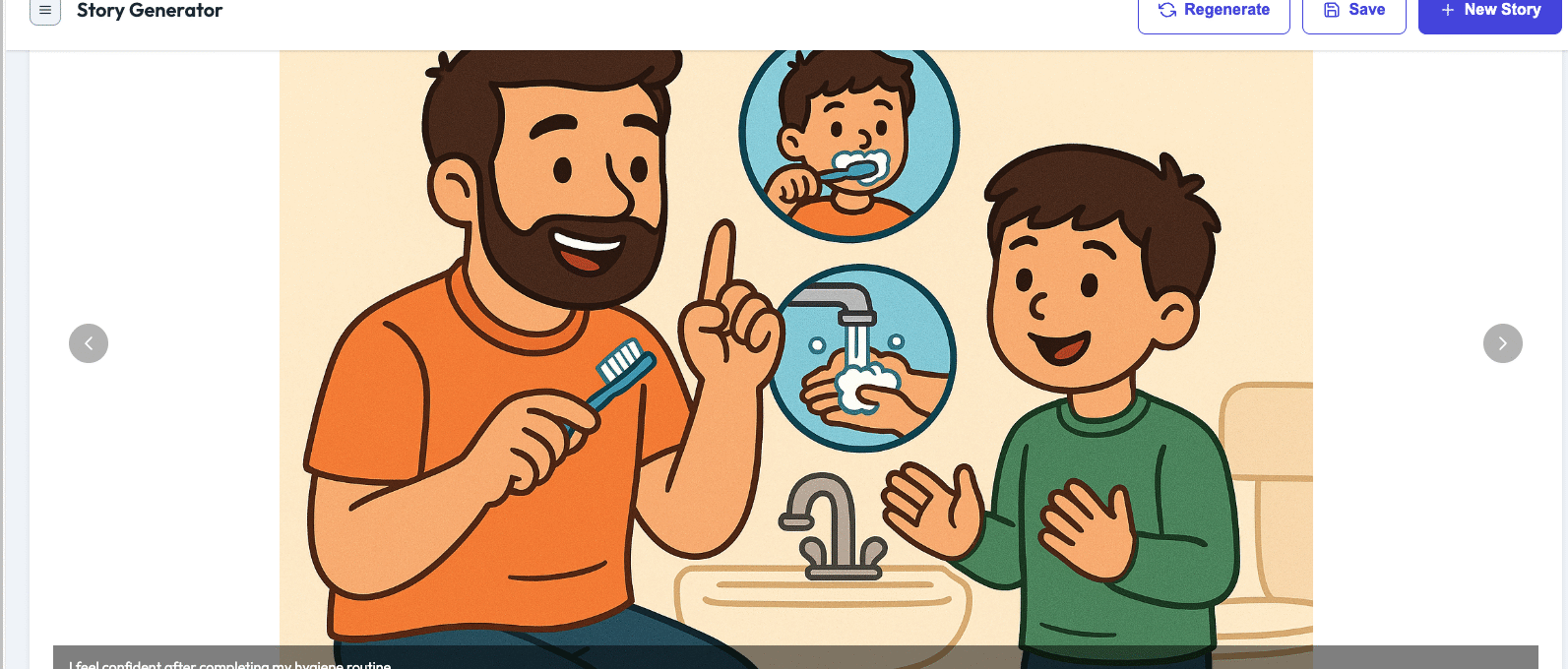
That’s why we created “Learning to Take Care of Myself: A Hygiene Story with Dad”—a simple social story that breaks down daily hygiene into clear, doable steps.
Why Hygiene Is So Confusing for Our Kids
Think about it from their perspective:
They can’t always smell or feel what we can. That morning breath? They might genuinely not notice it. The greasy hair? Feels normal to them.
The “why” is invisible. We say “brush your teeth” but they can’t see the germs or cavity prevention happening. It’s abstract.
Too many steps, no clear order. Wake up, bathroom, brush teeth, wash face, get dressed, eat breakfast… when does what happen? It’s overwhelming.
Sensory stuff gets in the way. The toothpaste taste is too strong. Water on their face feels weird. The shower is too loud.
Once I understood this, everything changed. I stopped getting frustrated and started teaching differently.
What This Social Story Does
This isn’t another checklist your child will ignore. It’s a story—with a dad teaching his kid, step by step, exactly what to do and why it matters.
It Shows the Whole Morning Routine.
The story walks through each step:
• Brushing teeth (morning and night)
• Washing face
• Taking a shower or bath
• Putting on clean clothes
• Washing hands before eating and after bathroom
Nothing fancy. Just the basics, in order, with clear reasons for each one.
It Explains the “Why” in Kid Terms
Instead of “you need to brush your teeth for dental health,” the story says:
“When I brush my teeth in the morning and at night, I can
help my teeth stay strong and my breath fresh.”
See the difference? One’s a lecture. The other’s a benefit
they can actually understand.
It Makes Them Feel Proud, Not Ashamed
Here’s my favorite part: “When I take care of my hygiene, I feel confident. I know that I am doing a good job.”
No shame. No “you’re gross if you don’t do this.” Just pride in taking care of themselves.
How We Actually Use It at Home
Reading the story once didn’t magically fix everything. But here’s what worked:
We Read It Together First
I sat down with my kid during a calm time—not when we were rushing to get ready. We just read it. No pressure.
I asked simple questions: “What does the dad teach first? Why does brushing teeth help?”
Just conversation. Just connection.
After reading the story a few times, we made a simple
picture checklist for the bathroom mirror:
• Brush teeth ✓
• Wash face ✓
• Check clothes ✓
My kid could see exactly what came next. No more asking “what do I do now?”
We Practice One Thing at a Time
We didn’t tackle everything at once. Week one? Just focused on consistent tooth brushing. That’s it. Once that became habit, we added face washing. Then shower routine. Small wins build up.
We Read It Again When Things Slip Some mornings, we’re back to resistance. When that happens, we pull out the story again.
“Remember what we read? Let’s do it like the story.” Simple redirect. No fight.
The Social Cues Guide Is Pure Gold
At the end of the story, there’s a Social Cues Guide. Don’t skip this part.
It teaches kids to notice when someone:
•It teaches kids to notice when someone:
• Wrinkles their nose or frowns (discomfort with smell)
• Steps back or turns away (creating distance)
• Offers gum or hand sanitizer (polite hint)
These are things our kids miss all the time. Teaching them to recognize these cues? Game changer for social situations.
We practice with the scenarios at home:
“What does it mean if your friend offers you gum and looks away?”
At first, my kid had no idea. Now? They get it. And more importantly, they know what to do about it.
The Three Big Concepts That Stuck. The story focuses on three main ideas:
1. Hygiene Keeps You Healthy
Not just “clean is good.” It’s “washing hands keeps germs away so you don’t get sick.” Cause and effect they can understand.
2. There Are Clear Steps to Follow
Our kids do better with structure. The story gives them a routine: brush, wash, shower, clean clothes, wash hands. Same order, every time.
3. Taking Care of Yourself Feels Good
This is the motivation piece. Not “do this or else.” It’s “when you do this, you feel confident and people enjoy being around you.”
That positive framing makes all the difference.
Common Struggles (And What Actually Helped)
“They Still Resist Brushing Teeth” Try different toothpaste flavors. Seriously. We went through six types before finding one my kid didn’t hate.
Also, electric toothbrushes with timers helped. Made it a game: “Can you brush until the timer stops?”
“Washing Face Is a Battle” Some kids hate water on their face. We started with a damp washcloth instead of splashing water. Gentler, more controlled.
Let them do it themselves while you guide. More ownership = less resistance.
“They Forget Every Single Day” That’s the executive function piece. They’re not being lazy—their brain genuinely doesn’t remind them.
External reminders help: visual schedules, timers, you giving a heads-up (“In 5 minutes, it’s time to brush teeth”).
“Showers Take Forever or They Rush Through” We made a shower checklist they can see through the glass: shampoo, body, rinse. Timer helps too.
And honestly? If they’re actually washing, I don’t care if it takes 3 minutes or 15.
What Success Actually Looks Like:
It’s not perfection. Let’s be real. Success is my kid brushing their teeth 5 days out of 7 without me asking.
It’s them checking if their shirt is clean before putting it on.
It’s them washing their hands after the bathroom without me standing there.
Small stuff. Daily stuff. The stuff that adds up to independence.
The Questions That Help It Stick
The social story includes comprehension questions. We use them as conversation starters, not tests:
“Why is hygiene important?” (To feel great and stay healthy)
“How do you feel when you’re clean?” (Happy, confident)
“What makes Dad proud?” (Remembering the steps)
“When should you wash your hands?” (Before eating, after bathroom)
These questions reinforce the concepts without feeling like homework.
Why the Dad Angle Works
Notice the story features a dad teaching? That’s intentional.
Often, moms carry the load of these daily care battles. Having Dad as the teacher in the story:
Gives dads a script to follow
Shows kids that hygiene isn’t “mom’s job”
Creates a bonding opportunity
Shares the teaching responsibility
In our house, this became “Dad’s thing.” And you know what? My kid listens better when we mix up who teaches what.
Beyond the Story: Building the Habit
The social story is the foundation. But here’s what else helped:
Make It Sensory-Friendly
Soft-bristle toothbrush if regular is too scratchy
Unscented soap if smells are overwhelming
Warm (not hot) water for washing
Towels that aren’t too rough
Small adjustments = big difference in cooperation.
Use Timers and Music
Two-minute tooth-brushing songs on YouTube? Life-saver.
Shower playlist that’s exactly 10 minutes? They know when they’re done.
External structure helps when internal time awareness is hard.
Celebrate the Wins
“You remembered to brush your teeth without me asking! High five!”
That’s it. No rewards chart needed. Just acknowledgment that they did the thing.
Be Patient With Regression
Some weeks are great. Some weeks we’re back to square one. That’s normal.
Stress, schedule changes, being tired—all of it affects routine. We just go back to the story and start fresh.
What Parents Are Getting Wrong
I’ll tell you what I got wrong at first: I assumed my kid understood what “be clean” meant.
They didn’t. It was too vague.
“Brush your teeth for two minutes with this toothbrush, making circles on each tooth” is clear.
“Be clean” is not.
Our kids need concrete, specific steps. Not concepts. Not hints. Steps.
This social story gives them exactly that.
Getting Started Is Simple
Here’s what I’d do if I were you:
Tonight: Read the story together before bed. No pressure, just read.
Tomorrow morning: Reference it. “Remember what we read? Let’s try that.”
This week: Pick ONE hygiene step to focus on. Just one.
Next week: Add another step once the first one is getting easier.
Keep going: Reread when needed. Adjust as you learn what works.
That’s it. Nothing complicated.
The Real Goal Here
This isn’t about having a perfectly clean kid who never forgets to wash their hands.
It’s about giving them the tools to take care of themselves. Building independence. Teaching them that they’re capable.
“I am learning how to look after myself, and that makes both of us happy.”
That line from the story? That’s the whole point.
They’re learning. We’re teaching. Nobody’s perfect. We’re all doing our best.
And honestly? If this social story helps your mornings go a little smoother, if it gives your kid a little more confidence, if it means one less battle over brushing teeth?
That’s a win.
You’ve Got This
Teaching hygiene to neurodivergent kids isn’t easy. It takes patience, repetition, and a lot of deep breaths.
But it’s doable. With the right tools, clear explanations, and a good social story as a guide, your kid can learn these skills.
One toothbrush at a time. One clean shirt at a time. One successful morning at a time.
That’s how it works. That’s how they learn. That’s how we all get through this parenting thing.
And you’re doing great, by the way. The fact that you’re reading this, looking for ways to help your kid? That makes you a good parent.
Now go read that social story with your kid. See what happens. I think you’ll be surprised how much a simple story can change things.
Learning to Take Care of Myself – Daily Hygiene Routine Social Story for Autism & ADHD