You know those moments at the dinner table when you can see your child struggling? Maybe they want to share something but can’t find the right moment to jump in. Or they’re unsure how to respond when Grandma asks them about school. Or they’re anxious about trying that new casserole everyone’s passing around.
These moments aren’t just about manners—they’re about connection. And for kids with autism, ADHD, or other learning differences, navigating social situations can feel like trying to read a map in a foreign language.
That’s why we created “A Thanksgiving Dinner to Remember.”
More Than Just a Holiday Story
When I watch my own daughter navigate social situations, I see how much mental energy it takes. The unwritten rules that neurotypical kids seem to absorb effortlessly? For many of our kids, those rules need to be explicitly taught, practiced, and reinforced.
This social story breaks down a Thanksgiving dinner into manageable pieces:
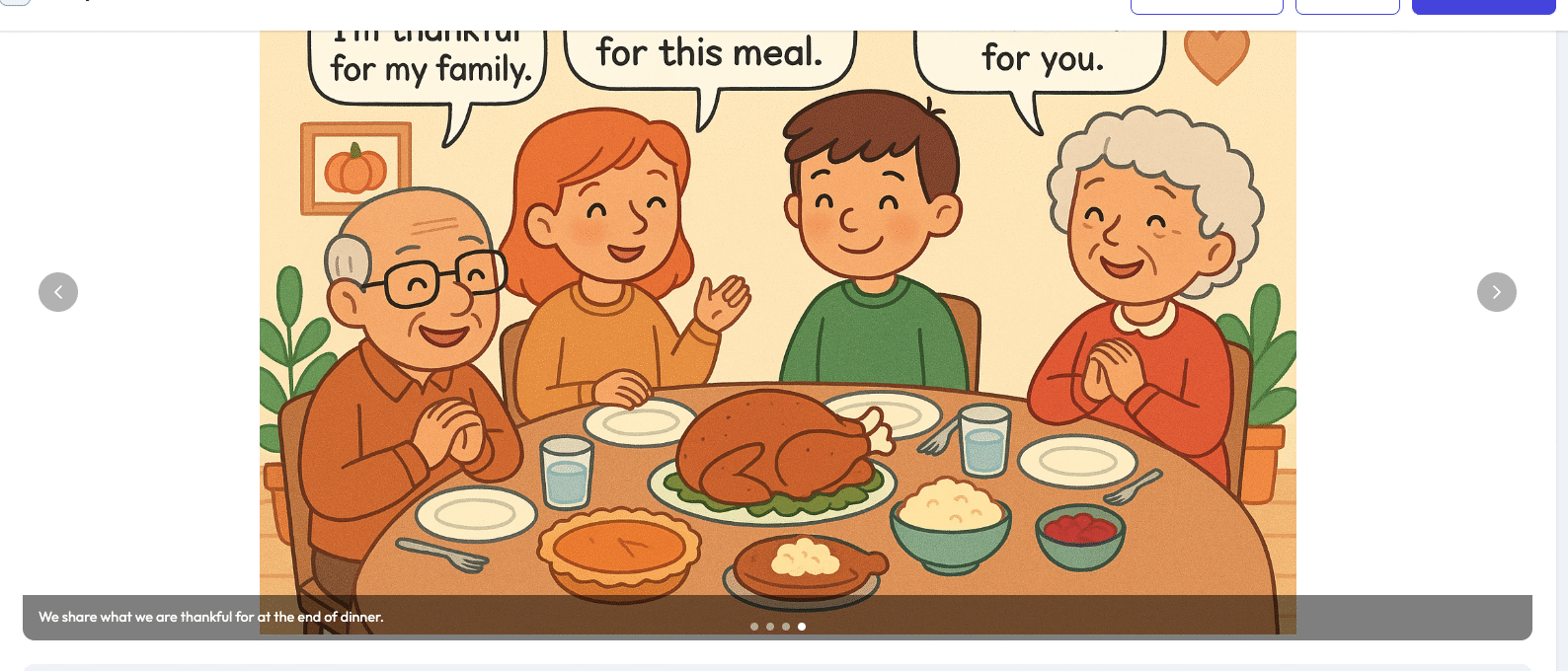
– Expressing gratitude** when someone passes you a dish
– Active listening** by nodding and showing interest
– Waiting for natural pauses** before speaking
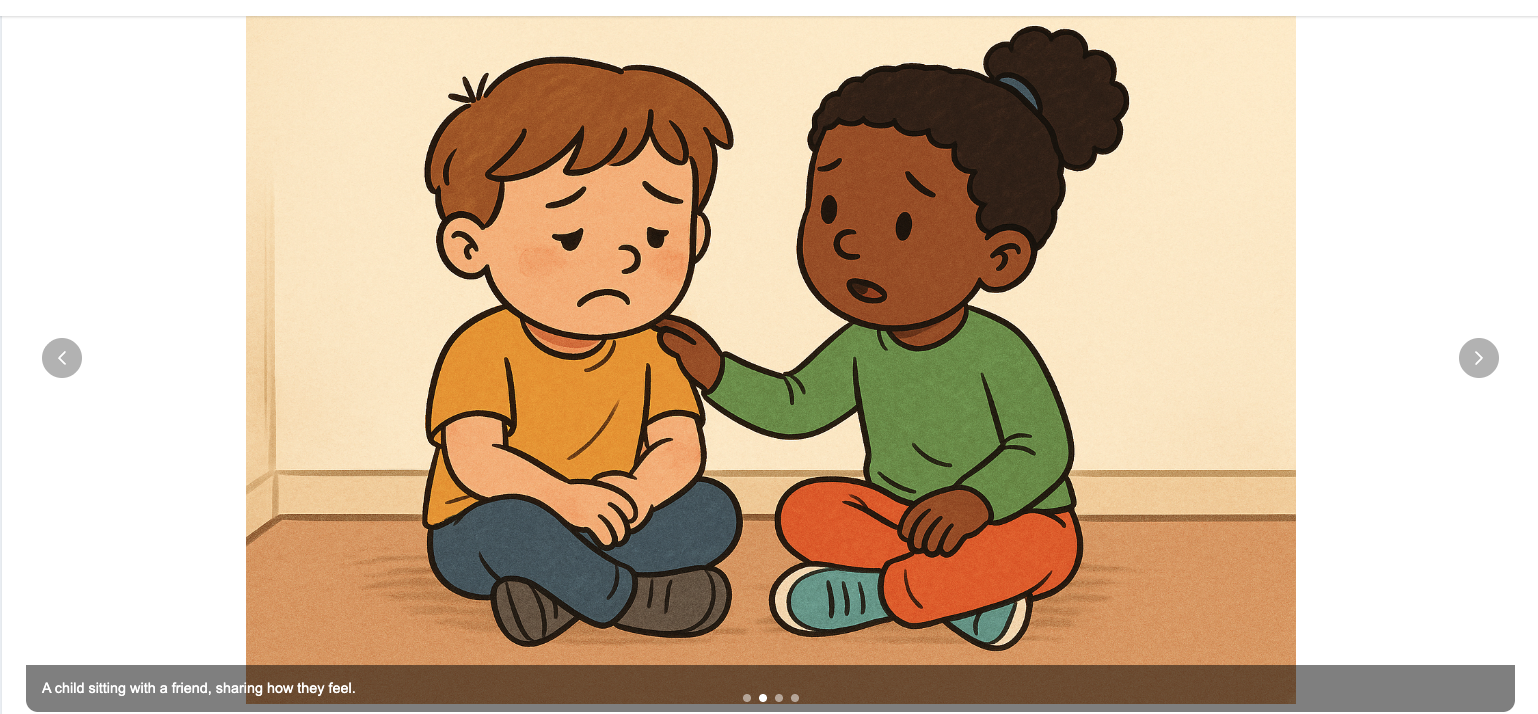
– Offering support** when someone else feels anxious
These aren’t just Thanksgiving skills. They’re life skills.
Why Social Stories Work
Social stories use a specific approach that’s been proven effective for children with autism and ADHD. Here’s what makes them powerful:
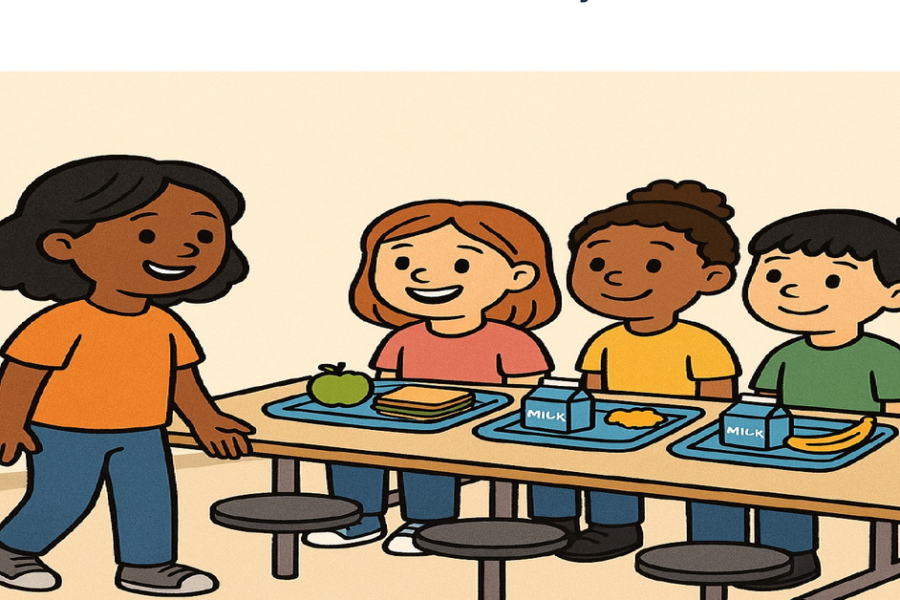
Visual Learning : The illustrations show exactly what these social interactions look like. Kids can see the body language, the facial expressions, the setting.
Predictability : The story walks through the entire event from start to finish. No surprises. No confusion about what comes next.
Modeling : Instead of lecturing or correcting, the story models appropriate behavior in context. It shows the “why” behind social rules.
Emotional Validation : When the story acknowledges that “it’s okay to feel nervous about new things,” kids learn that their feelings are normal and manageable.
The Details That Matter
Look at how the story handles the cousin Alex who’s anxious about trying new food. It doesn’t just say “be nice.” It shows:
1. Recognizing someone else’s discomfort
2. Remembering your own similar feelings
3. Offering specific, helpful words
4. Understanding the positive impact of support
That’s sophisticated emotional intelligence, broken down into steps a child can actually follow.
Beyond the Holiday
While this story is set at Thanksgiving, the skills transfer everywhere:
– Classroom discussions
– Playdates
– Family gatherings year-round
– Future workplace meetings (yes, really!)
The section on “waiting for a pause in the conversation so I don’t interrupt anyone” is something I wish more adults had mastered, honestly.
Practical Features Parents and Educators Will Appreciate
The story includes several teaching tools:
– Key Social Concepts, highlighted (gratitude, active listening, patience, support)
– Social Rules, clearly listed for reference
– Understanding Questions, to check comprehension
– Social Cues Guide, with practice scenarios
– Common Misunderstandings, addressed directly
These extras transform it from a simple story into a complete teaching tool.
Using This Story Effectively
Here’s what we recommend:
Before the Event : Read the story together several times. Let your child ask questions. Practice the phrases (“Thank you,” “It’s okay, you don’t have to try it if you don’t want to”).
Right Before Dinner : Do a quick review. Maybe just look at the pictures and talk through what might happen.
After the Event : Celebrate what went well. If something was challenging, revisit the story together to problem-solve for next time.
Throughout the Year : Keep coming back to it. These skills need repetition and practice in different contexts.
The Real Goal
At the end of the story, there’s this beautiful line: “I learn that Thanksgiving is not just about eating but also about enjoying time with family and expressing gratitude.”
That’s what we’re really after, isn’t it? Not perfect behavior. Not robotic politeness. But genuine connection. The ability to participate in and enjoy family moments without being overwhelmed by the unspoken social rules.
When kids understand *why* we say “thank you” (it makes people feel appreciated) and *how* to show we’re listening (by nodding and waiting our turn), they’re not just following rules—they’re building relationships.
Every Child Deserves to Feel Connected
Some families breeze through holiday dinners without a second thought. For those of us with kids who need a little extra support, preparation makes all the difference.
This social story is that preparation. It’s the invisible scaffolding that helps our kids participate fully, feel confident, and actually enjoy the gathering instead of just surviving it.
And honestly? After creating this, I’m tempted to make one for adult holiday gatherings. Because we could all use a reminder about active listening and gratitude sometimes.
A Thanksgiving Dinner to Remember – Social Story for Autism and ADHD